
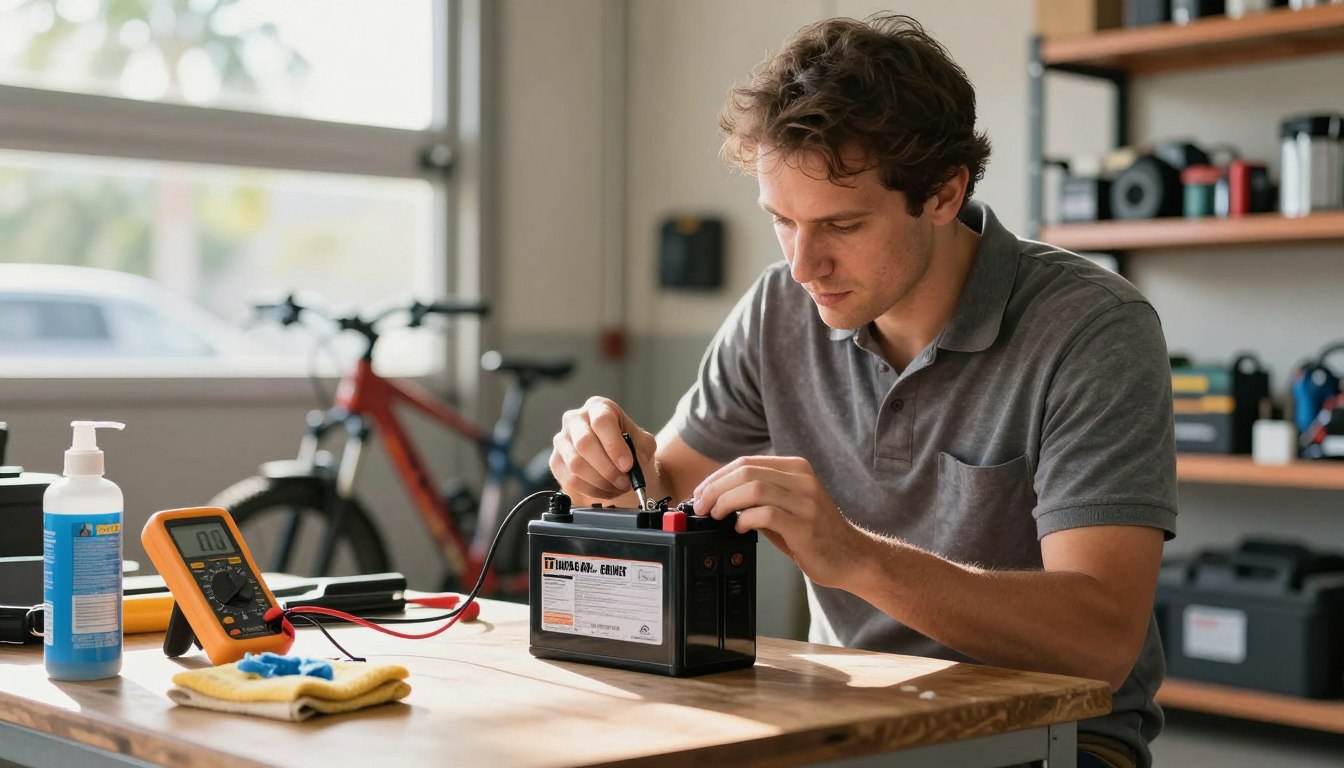
Riding an eBike in Florida can be a thrilling experience, but the state’s subtropical climate poses unique challenges to eBike maintenance, particularly when it comes to battery care.
The high temperatures and humidity levels can affect the performance and longevity of your eBike’s battery. Proper care and maintenance are crucial to ensure your eBike runs smoothly and efficiently.
For residents and visitors in the Tampa Bay area, Tampa Bay eBikes is your go-to destination for all eBike-related services, including battery maintenance and repair. Call or text 727-228-1975 for any service or battery-related questions, or visit https://shop.tampabayebikes.com for more information.
Key Takeaways
- Understand how Florida’s climate affects eBike battery performance.
- Learn the best practices for charging and storing your eBike battery.
- Discover tips to protect your eBike battery from extreme heat.
- Find out how to maintain your eBike’s overall health.
- Get expert advice on eBike battery care and maintenance.
Understanding eBike Batteries in Florida’s Climate
Understanding how Florida’s climate affects eBike batteries is crucial for riders who want to maximize their battery’s lifespan. Florida’s unique environmental conditions, including high temperatures, humidity, and coastal salt air, can significantly impact eBike battery performance and longevity.
How Florida’s Heat and Humidity Affect Battery Performance
Florida’s subtropical climate means that eBike batteries are frequently exposed to high temperatures and humidity. Lithium-ion batteries, commonly used in eBikes, are particularly sensitive to these conditions.
Temperature Sensitivity of Lithium-Ion Batteries
Lithium-ion batteries operate best within a specific temperature range. “Excessive heat can cause battery degradation, reducing overall capacity and lifespan,” as noted by battery experts. In Florida’s climate, it’s not uncommon for temperatures to soar during the summer months, accelerating battery wear.
Impact of Coastal Salt Air on Battery Components
The coastal environment in Florida also exposes eBike batteries to salt air, which can lead to corrosion on battery components and electrical connections. Regular cleaning and maintenance are essential to mitigate this risk.
The Critical Importance of Florida-Specific Battery Care
Given the unique challenges posed by Florida’s climate, adopting a Florida-specific battery care routine is vital. This includes proper charging practices, storage in a cool and dry place, and regular inspections to ensure battery health.
By understanding the impact of Florida’s climate on eBike batteries and taking proactive steps to maintain them, riders can enjoy longer battery life and optimal performance.
eBike Battery Care in Florida Heat: Essential Protection Strategies
Protecting your eBike battery from Florida’s intense heat is crucial for maintaining its performance and longevity. The state’s subtropical climate poses unique challenges for eBike owners, making it essential to adopt specific protection strategies.
Temperature Thresholds for Battery Damage
Most eBike batteries are designed to operate efficiently within a specific temperature range. Exceeding these thresholds can lead to damage and reduced lifespan.
Warning Signs of Heat Stress
- Swollen battery casing
- Overheating during charging or use
- Reduced battery capacity
- Error messages on the display
Preventing Heat-Related Capacity Loss
To mitigate heat-related issues, it’s crucial to keep your eBike battery cool. Avoid leaving your eBike or battery in a hot car, as temperatures inside a vehicle can quickly soar to dangerous levels. Never leave your battery in a hot car, as this can cause irreversible damage.
How Florida’s Summer Heat Accelerates Battery Degradation
High temperatures accelerate chemical reactions within the battery, leading to faster degradation. This means that in Florida’s summer heat, eBike batteries can lose capacity more rapidly than in cooler climates.
Seasonal Adjustments for Year-Round Battery Health
Adjusting your eBike care routine according to the season can help maintain battery health. During the hot summer months, consider storing your eBike in a shaded area or using a cooling pad to keep the battery at a safe temperature. In contrast, during cooler months, ensure that your battery is properly insulated to maintain its performance.
By understanding the impact of Florida’s heat on your eBike battery and implementing these protection strategies, you can significantly extend its lifespan and maintain its performance throughout the year.
Optimal Charging Practices for Maximum Battery Life
To maximize your eBike’s battery life in Florida’s hot climate, it’s crucial to adopt optimal charging practices. The state’s sunny weather can be great for eBike rides, but it poses challenges for battery longevity. Proper charging habits are essential for maintaining your eBike’s performance and extending its battery life.
Best Charging Frequency in Hot Florida Climate
Charging your eBike battery correctly is vital, especially in hot weather. Frequent deep discharging can strain the battery, so it’s advisable to charge it more often, keeping the charge level between 30% and 80% if possible.
Ideal Charge Levels (30-80% Rule)
Following the 30-80% rule can significantly benefit your battery’s health. Avoid letting it drop to 0% on a regular basis, and don’t keep it charged to 100% for extended periods. This practice helps in reducing stress on the battery cells.
Charging During Cooler Hours
Charging your eBike during cooler hours of the day, such as early morning or evening, can help maintain the battery’s health. High temperatures during charging can accelerate degradation, so avoiding peak heat hours is beneficial.
Creating an Ideal Charging Environment
An ideal charging environment is cool, dry, and well-ventilated. Avoid charging your eBike in direct sunlight or humid conditions. If possible, charge it indoors where the temperature is more stable.
Avoiding Common Charging Mistakes in Hot Weather
Common mistakes like overcharging or using damaged chargers can harm your battery. Ensure you’re using the correct charger and monitor the charging process. Unplug the charger once the battery is fully charged, and inspect your charger and cables regularly for damage.
By implementing these optimal charging practices, you can significantly extend the life of your eBike battery, even in Florida’s challenging climate.
Safe Storage Solutions for eBike Batteries in Florida
To maximize your eBike’s battery life in Florida, understanding safe storage solutions is key. The state’s hot and humid climate can significantly impact battery health, making proper storage crucial.
Ideal Storage Charge Percentages (40-60%)
Maintaining your eBike battery at a 40-60% charge level during storage is recommended. This range helps prevent deep discharge, which can damage the battery, while also avoiding the stress of a fully charged state for extended periods.
Temperature-Controlled Storage Options
Florida’s high temperatures can accelerate battery degradation. Temperature-controlled storage can mitigate this effect. Consider storing your eBike battery in an air-conditioned space or using a thermally insulated container.
Indoor vs. Garage Storage Considerations
Storing your eBike battery indoors is generally safer than garage storage due to better climate control. However, if garage storage is necessary, ensure it’s well-ventilated and shaded.
Humidity Control Methods
High humidity can lead to corrosion on battery contacts. Using desiccant packs or dehumidifiers can help maintain a dry environment, protecting your battery.
Long-Term Storage Protocols for Florida’s Off-Season
For extended storage, check your battery’s charge level periodically and recharge as necessary to maintain the 40-60% range. “Proper maintenance during off-seasons is crucial for the longevity of your eBike battery,” as noted by eBike maintenance experts.
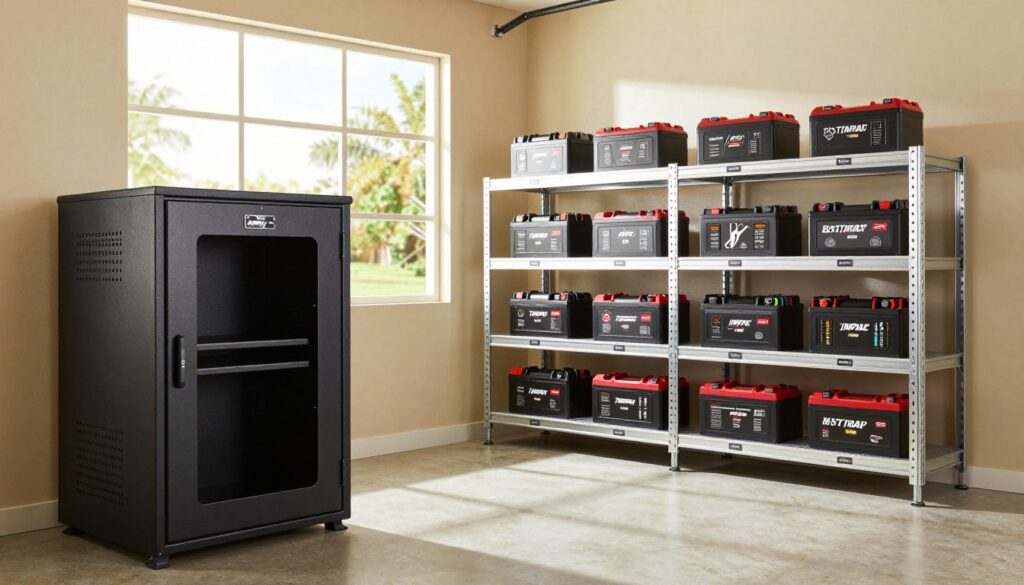
By following these storage guidelines, you can help extend the life of your eBike battery and ensure it remains in good condition for your next ride.
Never Leave Your Battery in a Hot Car: Heat Protection Tips
The sweltering heat inside a parked car in Florida can be catastrophic for eBike batteries. When exposed to high temperatures, the battery’s performance and lifespan can significantly degrade.
Temperature Dangers in Parked Vehicles
Parked vehicles in direct sunlight can quickly become ovens, with interior temperatures soaring far beyond the outside temperature.
Dashboard Temperature Studies in Florida
Studies have shown that dashboard temperatures in parked cars can reach as high as 180°F (82°C) on a sunny day in Florida. Such extreme heat can cause eBike batteries to overheat, leading to reduced capacity and potentially causing irreversible damage.
| Outside Temperature (°F) | Dashboard Temperature (°F) | Potential Damage |
|---|---|---|
| 80 | 140 | Reduced Battery Life |
| 90 | 160 | Battery Overheating |
| 100 | 180 | Irreversible Damage |
Battery Removal Best Practices
To protect your eBike battery from the dangers of a hot car, it’s recommended to remove the battery when leaving your eBike unattended. Store the battery in a cool, shaded area, away from direct sunlight.
Shade and Cooling Strategies While Parked
If removing the battery isn’t feasible, parking your eBike in a shaded area can help mitigate the effects of direct sunlight. Using a reflective sunshade or windshield cover can also reduce the interior temperature of your vehicle.
- Park in shaded areas whenever possible
- Use reflective sunshades or windshield covers
- Avoid leaving your eBike in direct sunlight for extended periods
Heat-Resistant Accessories and Insulated Covers
Investing in heat-resistant accessories and insulated covers can provide an additional layer of protection for your eBike battery. These products are designed to reflect sunlight and insulate the battery from extreme temperatures.
By following these heat protection tips, you can help ensure your eBike battery remains safe and functional, even in the sweltering Florida heat.
Proper Maintenance for Florida eBike Batteries
Proper maintenance is crucial for extending the life of your eBike battery, especially in Florida’s challenging climate. Regular care ensures your battery performs optimally and lasts longer.
Regular Inspection Routines for Hot Climate Use
Regular inspections are vital for identifying potential issues before they become major problems. Check your battery for signs of wear, such as cracks or dents, and ensure all connections are secure. In Florida’s hot climate, it’s also essential to inspect the battery’s charging port and cables for damage or corrosion.
Cleaning Battery Contacts in Humid Environments
Cleaning the battery contacts is a critical maintenance task, especially in humid environments like Florida. Dirty or corroded contacts can significantly impact battery performance.
Removing Corrosion from Salt Air Exposure
Salt air can accelerate corrosion on battery contacts. To remove corrosion, use a soft brush or cotton swab dipped in a mixture of baking soda and water. Gently scrub the corroded area, then dry with a clean cloth.
Recommended Cleaning Products and Methods
For general cleaning, use a dry cloth to wipe down the battery and its contacts. For more thorough cleaning, a mixture of isopropyl alcohol and water can be effective. Avoid using harsh chemicals or abrasive materials that could damage the battery.
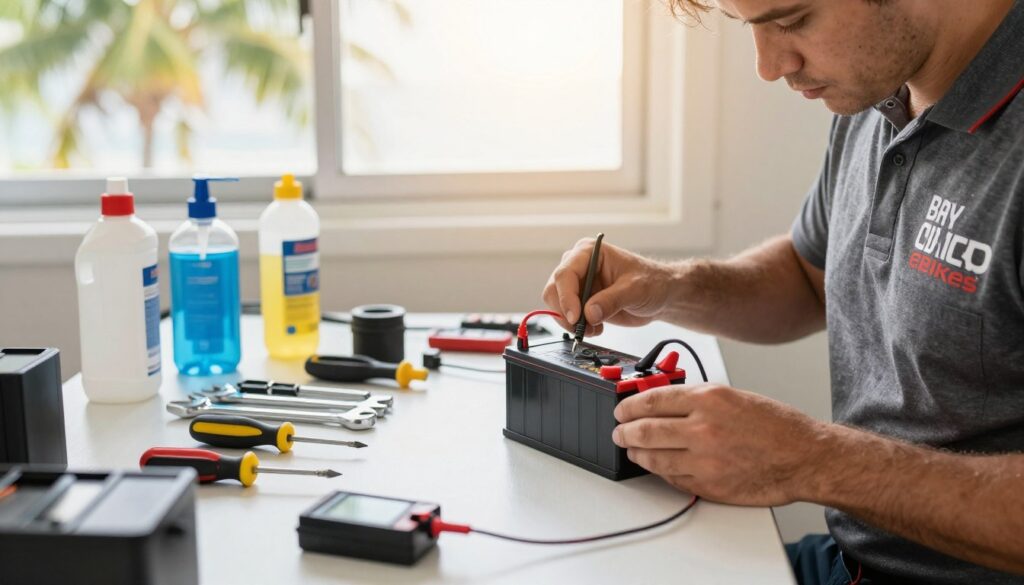
Monitoring Battery Health Indicators in Extreme Conditions
Monitoring your battery’s health indicators is crucial in extreme conditions. Keep an eye on the battery’s voltage, capacity, and overall performance. Many modern eBikes come with built-in battery management systems that provide valuable insights into battery health.
Riding in Florida Rain: Waterproofing Your Battery Investment
Florida’s rain showers can be a challenge for eBike riders, but with the right precautions, you can protect your battery investment. Riding in the rain requires special attention to your eBike’s electrical components, particularly the battery.
Effective Waterproofing Measures for Battery Compartments
To keep your battery dry, ensure your eBike has a waterproof battery compartment. You can also use additional waterproofing measures such as:
- Waterproof covers or casings
- Sealants around electrical connections
- Water-resistant battery bags
Post-Rain Maintenance Steps to Prevent Damage
After riding in the rain, it’s crucial to dry your eBike and check for water intrusion. Here are some steps to follow:
Drying Techniques for Wet Components
Gently dry the battery and other electrical components with a soft cloth.
Checking for Water Intrusion
Inspect the battery compartment and electrical connections for signs of water ingress.
When to Avoid Riding in Florida’s Heavy Downpours
While it’s not always possible to avoid riding in the rain, it’s advisable to postpone your ride during heavy downpours to minimize the risk of water damage to your eBike’s battery and electrical systems.
| Rain Condition | Riding Precaution |
|---|---|
| Light Rain | Use waterproofing measures |
| Heavy Downpour | Avoid riding if possible |
By taking these precautions, you can protect your eBike battery and ensure a safe and enjoyable ride even in Florida’s rainy weather.
Maximizing Range in Florida’s Hot Weather
Maximizing your eBike’s range in Florida’s hot climate requires a combination of efficient riding habits and smart battery management. The high temperatures can significantly impact your battery’s performance, making it crucial to adopt strategies that conserve energy and maintain optimal battery health.
Efficient Riding Techniques for Battery Conservation
One of the most effective ways to maximize your eBike’s range is by adopting efficient riding techniques. This includes maintaining a consistent speed, using the correct gear for the terrain, and avoiding sudden accelerations. By riding smoothly and predictably, you can significantly reduce the strain on your battery.
Optimal Assist Levels for Different Temperature Ranges
Adjusting your eBike’s assist level according to the temperature can help in conserving battery life. In hotter temperatures, reducing the assist level can help mitigate the negative effects of heat on the battery. For instance, using a lower assist level during the peak heat of the day can help conserve energy.
Morning vs. Afternoon Riding Strategies
Riding during the cooler parts of the day, such as early morning or late afternoon, can help in maintaining your battery’s health. Avoiding the peak sun hours when possible can reduce exposure to extreme heat.
Adjusting Power Settings Based on Heat
Being mindful of your eBike’s power settings and adjusting them according to the ambient temperature can help in maximizing range. Lowering the power output during hot spells can prevent overheating and conserve battery life.
Planning Routes with Shade and Battery Life in Mind
Planning your route to include shaded areas can help keep your battery cooler and improve overall efficiency. Using routes with more shade, especially during hot weather, can contribute to better battery performance and longer range.
| Riding Technique | Impact on Range | Temperature Consideration |
|---|---|---|
| Consistent Speed | Improves range by up to 20% | More effective in cooler temperatures |
| Lower Assist Level | Conserves battery life | Essential in hot weather |
| Riding in Shade | Reduces heat stress on battery | Critical in temperatures above 90°F |
When to Replace Your eBike Battery in Florida Conditions
In Florida’s hot climate, knowing when to replace your eBike battery is crucial for optimal performance. The state’s unique weather conditions can significantly affect the lifespan and efficiency of your eBike battery.
Signs of Heat-Related Battery Degradation
Florida’s intense heat can cause your eBike battery to degrade faster. Look out for signs such as:
- Reduced range after a full charge
- Longer charging times
- Swollen battery cells
- Overheating during use or charging
Expected Lifespan in Florida’s Climate
The average lifespan of an eBike battery in Florida is typically shorter than in cooler climates. Year-round riding can further impact this lifespan.
Impact of Year-Round Riding on Replacement Timing
Riding your eBike year-round in Florida accelerates battery wear. Regularly check your battery’s health to determine the optimal replacement time.
Cost-Benefit Analysis of Replacement vs. New eBike
When considering replacement, weigh the cost against buying a new eBike. Factors to consider include the age of your eBike, overall condition, and the cost of a new battery versus a new eBike.
Environmentally Responsible Recycling Options in Florida
When replacing your eBike battery, it’s essential to recycle the old one responsibly. Florida offers various recycling programs for lithium-ion batteries. Check with local retailers or recycling centers for drop-off locations.
Conclusion: Extending Your eBike Battery Life in Florida’s Challenging Climate
Proper eBike battery care is crucial in Florida’s hot and humid climate. By following the guidelines outlined in this article, you can significantly extend your eBike battery life and maintain its performance. Regular maintenance, optimal charging practices, and safe storage solutions are key to protecting your investment.
Florida’s unique climate demands special attention to eBike battery care. Avoiding extreme temperatures, keeping your battery clean, and monitoring its health are essential steps. For residents and visitors in the Tampa Bay area, Tampa Bay eBikes offers expert service and advice on eBike battery care and maintenance.
By implementing these strategies, you can enjoy a longer-lasting eBike battery and a more reliable riding experience. Visit Tampa Bay eBikes today to learn more about how to protect your eBike battery and get the most out of your ride in Florida’s challenging climate.